- Arabica coffee prices surpassing $4 per pound are driving a major industry shift
- Roasters are adjusting blends, seeking cheaper origins, and renegotiating contracts
- Producers continue to face rising costs, labour shortages, and delayed payments – proving high prices aren’t a cure-all
THE coffee industry is in the midst of a significant adjustment, with prices remaining consistently high for an extended period.
For the first time in decades, the global market price for Arabica coffee has hovered above $2 per pound since April 2024 and recently breached the $4 mark.
This new price reality is forcing both roasters and producers to adapt in unprecedented ways, reshaping strategies and relationships across the supply chain.
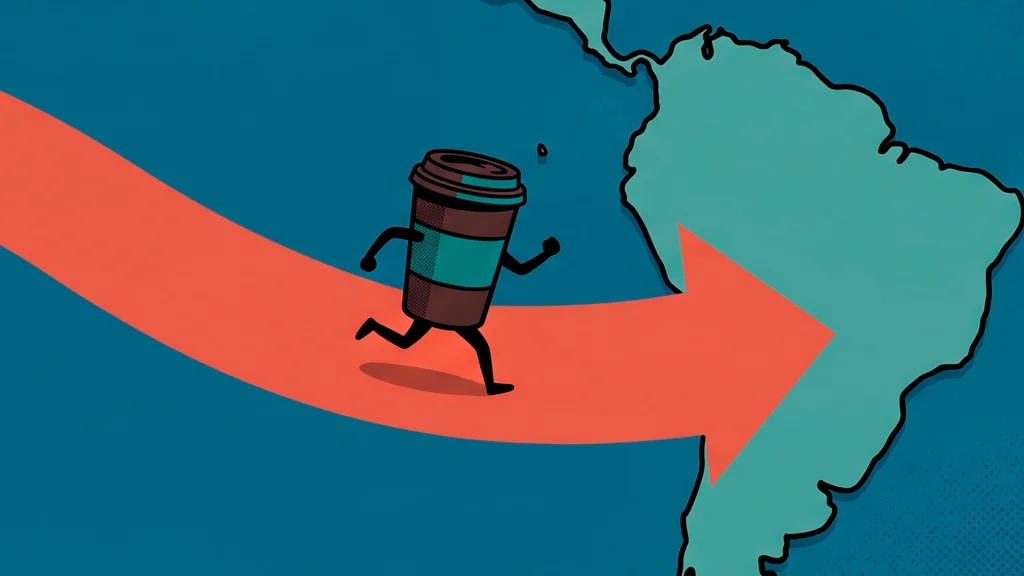
Roasters, in particular, are feeling the pressure. Traditionally, roasters thrive when coffee prices are low, enabling them to purchase high-quality beans while maintaining healthy profit margins. However, as prices surge, many are turning to cheaper blends or diversifying their sourcing to include lower-cost origins like Brazil.
Producers are also making adjustments, but their challenges are different. High prices should, in theory, mean higher profits, but the reality is more complex.
Many producers are grappling with increased production costs due to inflation and climate-related disruptions. Exporters in high-cost countries like Colombia are particularly vulnerable, as their buyers – roasters – shift to cheaper alternatives. This dynamic is leaving some exporters with scaled-up operations designed for high-end markets that no longer align with demand.
“The increase in coffee prices has led to many conversations with roasters to find a balance that works for both sides,” says Silvio Sánchez, a coffee producer and owner of the Santa Teresa de Mogoton farm in Nicaragua.
“We haven’t simply passed on the stock market price hikes to our customers because that wouldn’t be fair or sustainable. Instead, we’ve made a moderate adjustment, taking into account the rising production costs we’ve been experiencing for years.
“We’ve prioritised transparency with our clients, explaining that this adjustment isn’t about increasing our profits but about covering real costs, such as labour shortages and rising input prices. Ultimately, we aim to reach agreements that allow us to continue working together without compromising quality or the stability of the relationship between producers and roasters.”
This trend is not just a passing phase but a structural change in the coffee industry. As both roasters and producers adjust, a new emphasis on efficiency, collaboration, and sustainability is emerging.
Roasters are rethinking their sourcing strategies to remain competitive, while producers are exploring ways to manage costs and add value to their offerings. The entire supply chain is being reshaped, requiring a recalibration of relationships and long-term strategies.
Ally Coffee, a global green coffee company with sourcing offices in key producing regions, helps bridge the gap between roasters and producers. Its direct presence allows for real-time insight into market challenges, ensuring clearer communication and better alignment across the supply chain.
“One of our greatest strengths is having offices in coffee-producing origins,” says Abraham Castro, Green Coffee Buyer in Central America for Ally Coffee. “This direct presence allows us to experience firsthand the challenges producers face and to communicate these truths effectively to our sales team, who, in turn, relay them to roasters.”
“In response to sustained high coffee prices, we’ve observed a shift in how negotiations unfold. Roasters seek competitive and rational pricing without compromising quality, while producers require fair compensation for their hard work and investment.
We aim to foster understanding, find a middle ground, and protect the relationships and businesses that sustain the specialty coffee industry.”
“High” prices are causing an industry rethink
Volatility in coffee prices is nothing new. The coffee market has always been subject to fluctuations due to weather events, speculative trading, and shifts in global demand.
However, the current situation is different. Instead of the dramatic peaks and troughs that the industry has come to expect, prices have remained consistently high, creating a new set of challenges for both roasters and producers.
While price volatility negatively impacts mostly producers, “high” prices have the rest of the industry panicking and can shift the dynamic between producers and roasters significantly.
For roasters, the $2 threshold has long been a psychological barrier. When prices exceed this level, they often panic, as it directly impacts their ability to maintain margins without raising consumer prices. The $3, then $4 marks have been particularly shocking, forcing many roasters to reassess their pricing models and sourcing strategies.
But should these prices really come as a surprise? Some industry experts argue that coffee has historically been undervalued, with prices failing to reflect the true costs of production, sustainability, and quality.
For producers, high prices aren’t the straight-forward solution they appear to be. High green coffee prices don’t always translate to higher farm gate prices. Additionally, the costs of labour, fertilisers, and other inputs have risen alongside coffee prices, eroding the potential benefits. Many producers also face cash flow challenges, as higher prices often mean longer payment terms from roasters and exporters.
“One of the biggest challenges we face as producers is the labour shortage, which is not just affecting our farm but is a global issue in the industry,” says Silvio. “It’s becoming increasingly difficult to find workers, and those available require better conditions and higher wages, significantly increasing our costs.”
“Climate change is another factor. Irregular rainfall, for example, has caused losses by making cherries split on the plant, reducing yields and driving up costs even further. To cope with this, we’ve had to find strategies to maintain production and ensure quality despite rising expenses.
Fortunately, in the specialty coffee segment, prices have been more stable compared to the volatility of the stock market, and our customers appreciate the effort behind each harvest. However, we still face the challenge of balancing these costs without compromising the profitability of the entire supply chain.”
The impact of high prices has been felt across the supply chain. Roasters are more cautious, seeking to mitigate risks by diversifying their portfolios. Access to finance for players across the coffee value chain is getting increasingly harder to come by. Producers are focusing on efficiency and exploring ways to add value, such as offering processed or differentiated coffees.
The entire industry is navigating uncharted territory, with high prices serving as both a challenge and an opportunity.
“The current landscape brings challenges at both ends of the supply chain,” says Abraham. “Producers are grappling with rising labour costs, inflation, and expensive inputs, while more origins are entering the specialty coffee market, increasing competition.”
“Maintaining a balance between what producers need and what roasters can pay has become increasingly complex, leading to difficult but necessary adjustments. We’ve doubled down on our core mission. This means providing producers with tailored guidance to sustain their partnerships, fostering resilience despite market pressures.”

Adapting to a high-price future
As the industry comes to terms with the likelihood of sustained high prices, stakeholders across the supply chain are taking steps to adapt.
Market analysts predict that Arabica prices will remain around the $4-$5 mark for the foreseeable future, driven by ongoing supply constraints and strong global demand.
For roasters and producers, this means adjusting to a new normal rather than waiting for a return to lower prices.
Roasters are learning to navigate these challenges by becoming more strategic in their sourcing and pricing. Many are focusing on long-term relationships with trusted exporters and producers to ensure consistent supply and quality.
These relationships are particularly valuable in a high-price environment, as they provide stability and reduce the risks associated with market volatility.
Blending has also become a key strategy for roasters. By incorporating a mix of high-end and lower-cost coffees, roasters can maintain quality while managing costs. Some are also exploring alternative origins that offer competitive pricing.
Collaboration is emerging as a critical factor for success. Roasters and producers are recognising the importance of working together to navigate the challenges of a high-price market.
“I believe the key to adapting to a future of higher prices is to see each other as strategic partners rather than just buyers and sellers,” says Silvio. “We need roasters just as much as they need us, so it’s crucial to work together on strategies that allow us to grow sustainably.”
“This isn’t about increasing margins but about a real need to cover costs and ensure the sustainability of the entire supply chain – it’s a collective effort.”
For example, by sharing data and insights, roasters can help producers better understand market trends and consumer preferences. Similarly, producers can provide roasters with detailed information about their farming practices, enhancing transparency and trust.
Long-term partnerships are also essential. Companies like Ally Coffee are playing a vital role in fostering these relationships, acting as a bridge between roasters and producers.
“Our role is to create value by guiding both producers and roasters in making informed decisions,” says Abraham. “This includes helping them navigate complex logistics, such as freight costs, inflationary pressures, wages, and fuel prices, which significantly impact the supply chain, for example.”
“Equally important is fostering awareness across the industry – ensuring all participants understand the challenges others face and encouraging self-assessment to optimise efficiency.”
The coffee industry is entering a new era, shaped by consistently high prices and evolving market dynamics. As the industry continues to evolve, those who invest in strong relationships, efficient practices, and value-added strategies will be best positioned to thrive.
Coffee Intelligence
Want to read more articles like this? Sign up for our newsletter here.