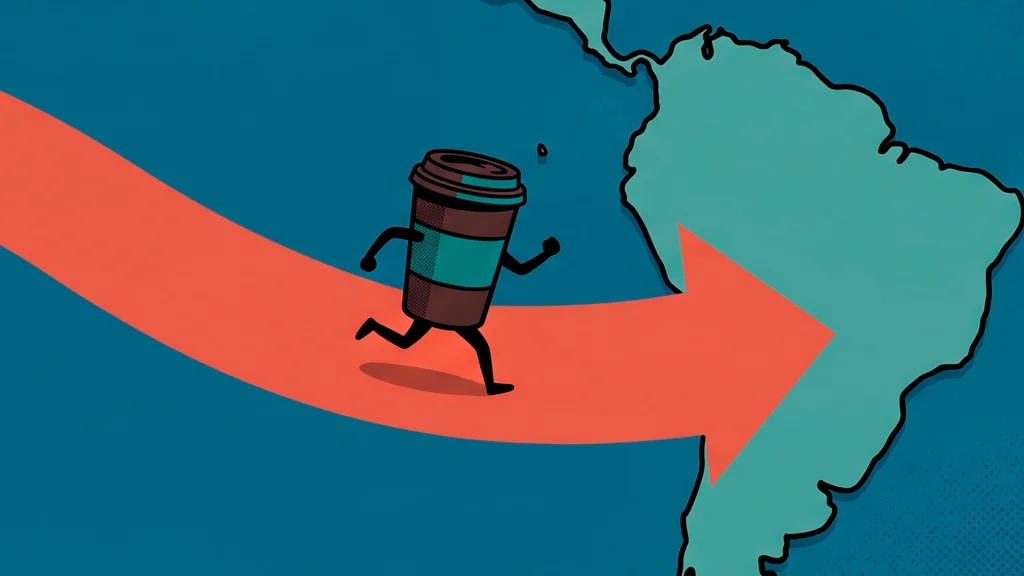
- Coffee prices have hit record highs – but some brands are still offering bargain products
- Pret a Manger has announced it will keep its too-good-to-be-true £5 a month subscription
- Big chains are keeping prices low with clever pricing tricks – but how long can it last?
COFFEE prices have reached record highs, pushing roasters and consumers alike to ask: How much further will they go, and will buying coffee remain sustainable?
The past two years have seen unprecedented price surges in the coffee market. Poor harvests in Brazil, supply chain disruptions, and increasing global demand have sent green coffee prices soaring.
The benchmark C-market price for Arabica has exceeded historical highs, squeezing margins for specialty roasters and raising costs for cafés worldwide. Robusta prices are also surging, though they still remain comparatively affordable.
For many consumers, the impact is felt at the till. From New York to Nairobi, the price of a morning flat white has crept up. Some high-end coffee shops now charge as much as $7 for a cup of premium brew – or will be doing so soon.
“This is not yet a repeat of the late 70s,” says Doug Bachman, President of Bachman Beverage Specialist. “A $4 market in 1977 would be a $12 market today. We are most likely looking at another two years where there is a green coffee deficit. Even at a retail price of $15, a pound coffee is still a relatively affordable beverage.”
The cost of retail beans has also surged, leaving coffee drinkers wondering if the days of affordable, high-quality coffee are over. Yet, curiously, some roasters and coffee shops continue to offer coffee at conspicuously low prices.
Chains such as Pret a Manger still offer 99p filter coffee and a coffee subscription that, on paper, seems almost too good to be true. Starbucks has reintroduced its free refill policy to make up for its outrageous prices that customers have been complaining about.
Pret seemed to cave to the growing struggle to maintain low-cost coffee offerings amid rising costs, recently announcing it would raise its Club Pret subscription price from £5 to £10 per month, and ditching its free drinks perks. But after customer backlash, the coffee and food-to-go chain – which has adjusted its subscription multiple times since 2020 – scrapped its plans with aims to compete on value amid rising competition in the UK market.
Elsewhere, British brands like Wetherspoons, Greggs, and even high-end supermarket Waitrose keep coffee prices remarkably low, often bundling refills into the deal.
Some of these businesses seem to defy the laws of economics – selling coffee cheaper than they are paying for it. But how?
The strategy behind cheap coffee
One answer lies in the cross-subsidisation model.
Many of these brands, particularly supermarkets and food-focused chains, don’t rely on coffee as their primary profit driver. Instead, they use cheap coffee as a loss leader – a way to get customers through the door in the hope they will spend money elsewhere.
Pret’s business model, for instance, depends on high-margin food sales. While its 99p filter coffee seems absurdly cheap, the real money is made on sandwiches and salads, often priced at over £8.
WeWork, Waitrose, and IKEA also use coffee as a tool to drive footfall. Free or ultra-cheap coffee encourages customer loyalty, increasing the likelihood that they will purchase other, more profitable products.
For independent and specialty roasters, the tactics are different.
Some adjust their sourcing strategy, opting for lower-quality beans to maintain affordability. Where once a café’s single-origin offering might have been a high-end Colombian Geisha, today’s budget-friendly alternative could be a fine Robusta from Vietnam.
The difference is often obscured by marketing wizardry – what was once a lesser-regarded variety is now framed as “bold and innovative.” With effective storytelling, many consumers won’t notice the shift in quality, and coffee brands are counting on a mix of consumer ignorance and brand loyalty to ensure this.
This strategic repositioning allows roasters to keep margins intact while maintaining an accessible price point.
Even well-regarded specialty roasters have subtly adjusted their offerings. Some blend cheaper beans – lower quality or past crop – into their flagship espresso roasts, ensuring profitability while retaining brand prestige.
Others pre-contracted large quantities of green coffee when prices were lower, securing stock months or even years in advance, allowing them to maintain pricing stability while competitors are forced to adjust retail costs upwards.
“This is a tricky moment,” says Doug. “Roasters who are trying to survive this difficult market will make blend adjustments. Robustas are going to find their way into blends. We may see some ‘high yield’ coffees hit the market. The question is how far will some of these roasters take it – the cost conscious consumer may choose to reject these coffees altogether.”

Bargain outliers: the long-term impact on coffee
While these strategies help maintain affordability, they raise questions about long-term sustainability.
If coffee prices remain high, will loss-leader strategies still make sense? Can specialty roasters maintain customer trust if quality gradually declines?
For supermarkets and chain cafés, coffee as a loss leader is a calculated risk, one that hinges on customer loyalty and repeat purchases. However, if commodity prices continue to rise, even these businesses will have to reassess whether the model remains viable.
For roasters, the risk is different: substituting quality for affordability may alienate core consumers.
Specialty coffee has long been driven by provenance, sustainability, and unique flavours. If cost-cutting strategies erode those values, will customers start to look elsewhere? The illusion of quality may not hold forever.
In the short term, bargain coffee strategies will persist. But if coffee prices continue to surge, more businesses may have to rethink their approach.
The industry may see further polarisation between premium, traceable coffee at a high price point and mass-market coffee that quietly sacrifices quality for cost. It may also repeat history, with consumers pivoting to tea and sodas as cheaper caffeinated beverage alternatives.
“The biggest danger for the industry is bad coffee,” says Doug. “It will drive consumers to other beverages. I think smart, professional roasters will figure out what their customers want. We will see brands that used to be household names disappear.”
In the end, the question is not just about how coffee is priced, but about what consumers are actually getting in return for their money.
The trick for businesses will be balancing affordability with long-term trust. In a market where coffee drinkers are becoming increasingly educated, sustaining cheap coffee may prove harder than it looks.
Coffee Intelligence
Want to read more articles like this? Sign up for our newsletter here.